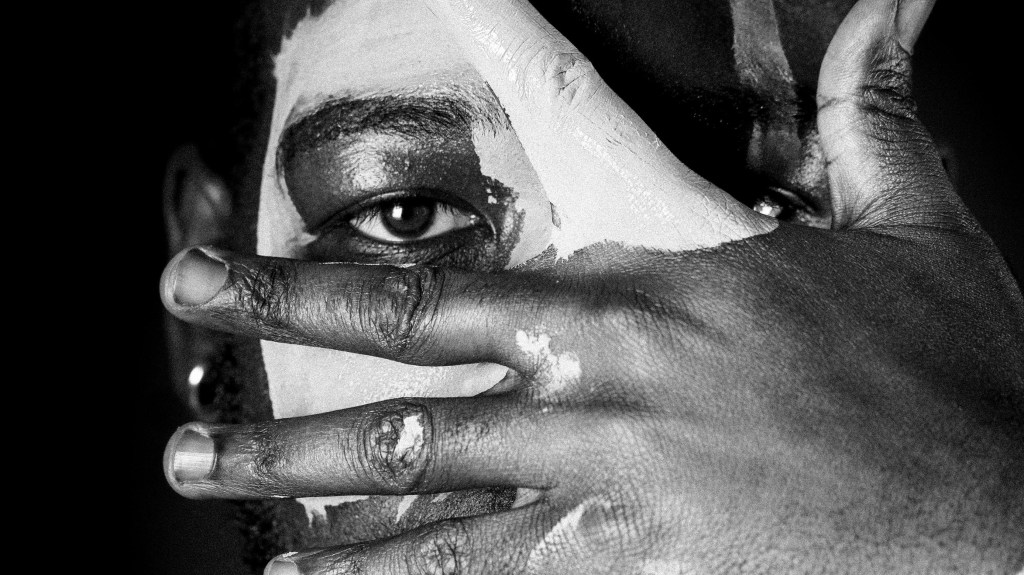
A continuation of the narrative, based on an adolescent struggle with self-hate.
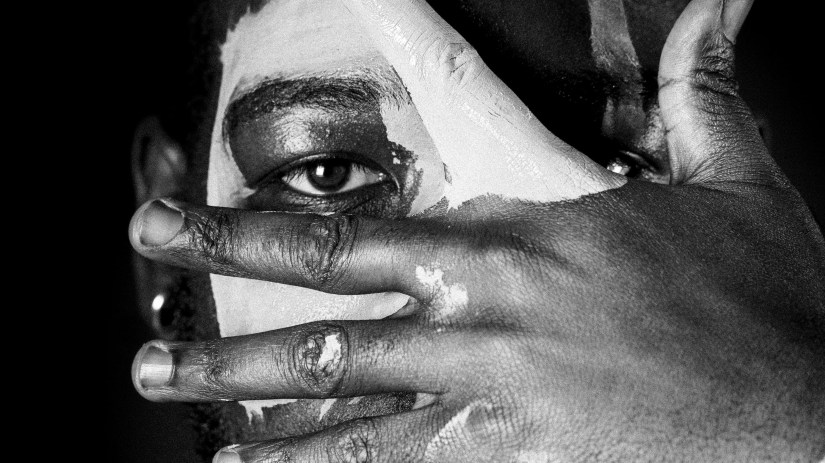
You really aren’t so different from the other Black kids at school. But your world keeps telling you that you are.
You see, your environment has fed you thoughtless stereotypes in an effort to separate you from them. You ate them up like a Happy Meal.
So when you were told, “You are nothing like them because you take education seriously and you speak proper English and you live in a good neighborhood and you’re not as involved in sports,” you don’t just think you are different.
You think you are better.
And, in your eyes, “better” almost invariably means whiter.
Your view of your real skinfolk is now reflective of how the rest of your school views them: as athletic neanderthals.
And even though many of the other Black kids do very well in school, and talk like you, and live in neighborhoods similar to yours — and even though you are, in fact, just as involved in athletics as you perceive the other Black kids to be — you still see a chasm between you and them.
Self-loathing has robbed you of self-respect, and commonality. You dislike them, because you dislike yourself.
So you tell yourself,
“I have nothing in common with the other Black kids.
I’m not like them, and they are not like me.”
You take pride in the sense of superiority your world has given you. And yet, the other Black kids still make you feel more insecure than Issa Rae.
You see, your insecurities and social anxieties make you paranoid about any commotion you aren’t involved in. You interpret it as exclusion.
So when you walk past the other Black kids in the hall, and you see their wide smiles and hear their chuckling and distorted murmurs, you think they’re laughing at you.
And so their Black joy irritates you.
Your reaction is in line with how the rest of your school reacts to the sounds of Black kids enjoying themselves: as loud annoyances.
Since you feel isolated from the camaraderie, and since your apprehensions cause you to assume the worst of the other Black kids, the chasm between you and them widens.
Self-loathing has robbed you of peace, and a sense of kinship. Your disdain for them grows, as does your disdain for yourself.
So you tell yourself,
“The other Black kids must be laughing at me, because
I’m not like them, and they are not like me.”
You shrug. “I don’t care what they think.”
You pretend not to mind if the Black kids dislike you. You tell yourself you don’t even want fellowship with them.
Meanwhile, your world continues to sell you prejudice about the other Black kids to widen the gap between them and you. You bought them like a 3-for-1 Black Friday deal.
So when you tell yourself, “They are nothing like me because they’re uneducated and ghetto and their pants sag too low and they always get into fights at school,” you don’t just think they are different.
You think they are beneath you.
Your view of your own people isn’t unlike how the rest of your school views them: as mindless barbarians.
And even though your own pants sag as they struggle to stay up on your skinny waist, and even though you yourself have gotten into multiple fights before — at school and at home — you still perceive a Grand Canyon-sized gap between you and them.
Self-loathing has robbed you of honesty, and similitude. You hate them, because you hate yourself.
So you tell yourself,
“I am not a violent person, but they are.
I’m not like them, and they are not like me.”
Poor child.
You really aren’t so different from the other Black kids at school.
But self-loathing has blinded you and robbed you of joy.
Which is why, whenever you see the other Black kids laughing and loving themselves, it just reminds you that you have little to laugh about, and little to love.
Because you hate yourself.
Read Part 1 of this narrative here.
[Featured image by Jurien Huggins ]





 Black Spasmodic
Leave a comment